
Peptide at a Glance
| Name | Retatrutide (Reta) Ratatouille, GLP-3, R. |
| Category | Triple hormone receptor agonist |
| Research area | Obesity, weight management, and metabolic health |
| Route studied | Subcutaneous injection, once weekly |
| FDA status | Investigational — not FDA approved |
| Human research | Yes — studied in Phase 2 and Phase 3 human clinical trials |
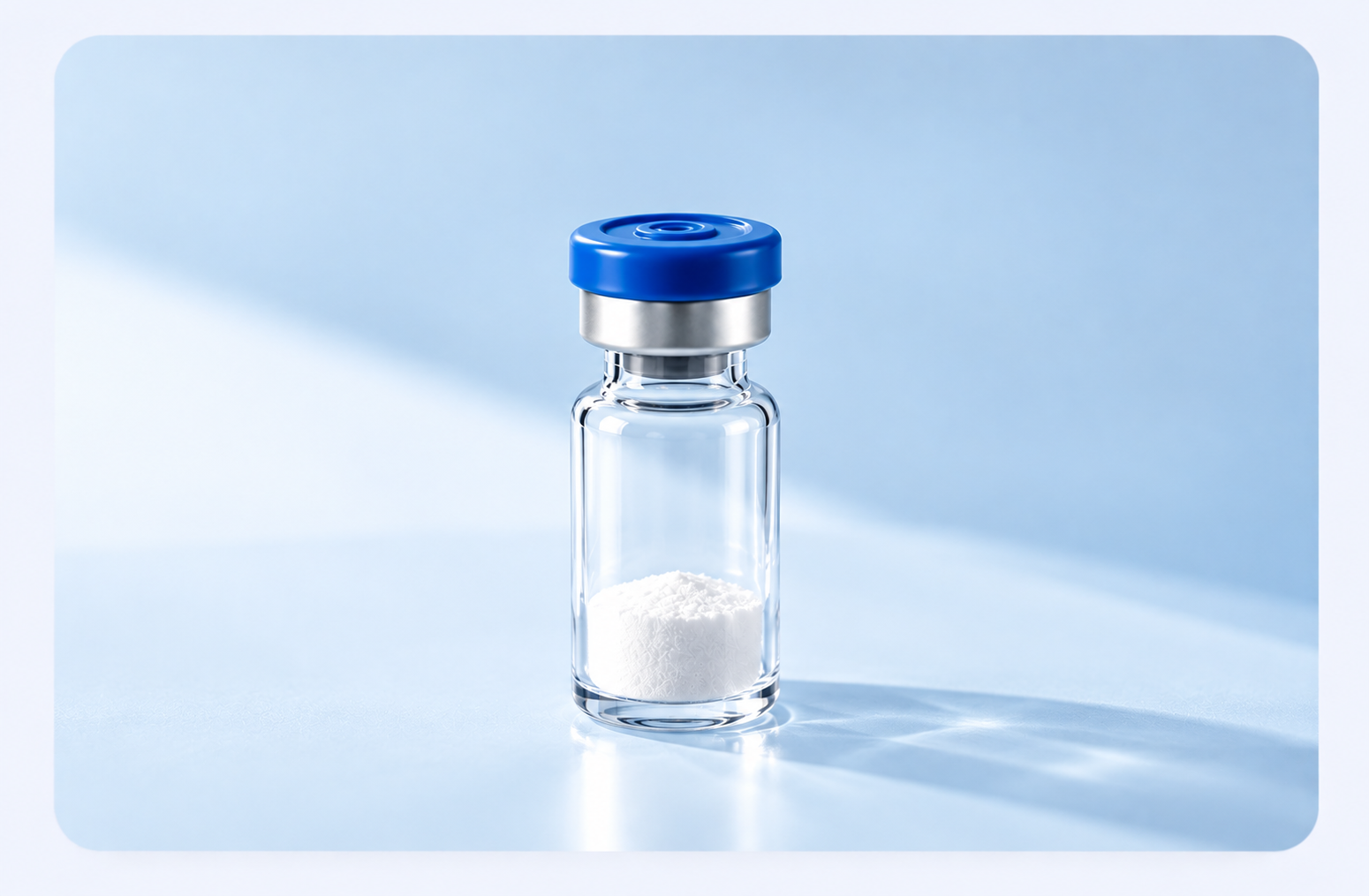
| Reconstitution | Yes — Research grade peptide |
Introduction
RETA! One of my favorite peptides ever. If you’ve talked to me about peptides for more than five minutes, you probably already know how I feel about this one. It’s not only what I’ve seen it do for me, but what I’ve seen it do for so many people around me. This article is going to be a mix of what the research actually tells us and what I personally did, felt, and learned along the way.
How Does It Work
Retatrutide is a triple agonist, meaning it activates three receptors: GLP-1, GIP, and glucagon. Together, these pathways are being studied for their effects on appetite, blood sugar regulation, energy use, and body weight.
In normal terms: Reta works on multiple signals involved in hunger and metabolism instead of targeting just one.
What I Personally Noticed
I honestly started Reta on a random day because I wanted to lose 10 pounds. I was around 150 pounds at the time, carrying some post-IVF hormonal weight, and just feeling super demotivated with the gym.
For me, the effects were pretty much immediate. I remember noticing a difference by the next day, especially with my appetite. It wasn’t something I had to wait weeks to maybe notice—I could tell pretty quickly that something felt different.
My hunger was definitely suppressed, but it wasn’t completely gone. I would eat when I remembered to, and I could still enjoy my food—I wasn’t grossed out by it or forcing myself to eat. My portions were just way smaller. I also wasn’t waking up starving or going to bed hungry, and probably one of the biggest things I noticed was that my cravings for sweets completely disappeared.
My weight started going down pretty quickly and continued to steadily drop. I still had loads of energy throughout the process. I was using other peptides at the time that I personally think helped with my energy, so I can’t give Reta all the credit for that. But I also made sure I was still eating and actually fueling my body, just not eating in excess. I never felt like I was starving myself, and I personally didn’t experience that drained, dizzy, or fatigued feeling that can happen when you’re simply not eating enough. Which I 100% experienced with Tirzepatide(Mounjaro) when I tried it a year before. I had such bad orthostatic hypotension that I had to get up slowly from bed even from sitting to standing.
Side Effects:
The most common side effects seen with Reta in human studies have been GI-related, including nausea, diarrhea, vomiting, constipation, decreased appetite, and feeling full faster. These were generally mild to moderate, happened most often while doses were being increased, and were more common at higher doses. These are expected side effects.
There are also some less common but more serious side effects worth knowing about. In the Phase 2 obesity trial, about 2% of participants receiving Reta experienced a severe gastrointestinal adverse event. There were also three biliary events reported—two cases of gallstones and one case of gallbladder inflammation. Jastreboff et al. (2023) — New England Journal of Medicine
Researchers also monitored pancreatic enzymes. Increases in lipase occurred in some participants, and there was one confirmed case of acute pancreatitis in the Reta groups. That doesn’t mean pancreatitis is a common side effect of Reta—the event was rare in this study—but severe or persistent abdominal pain, especially with vomiting or pain that travels toward the back, isn’t something to ignore.
Reta was also associated with a dose-dependent increase in heart rate, which peaked around week 24 and then declined. Cardiac arrhythmias were reported during the trial as well, although most were mild to moderate.
What I Did
I started Reta at 1 mg once a week, and honestly, I never felt the need to increase it. I stayed at that same dose for the entire four weeks and lost 12 pounds, which was actually two pounds more than the 10 pounds I originally wanted to lose. Once I reached my goal, I stopped.
One thing I think is really important with Reta is not getting caught up in constantly increasing the dose just because you can. In the Phase 2 trial, GI side effects happened most often during dose escalation and were more common at the higher doses. For me personally, 1 mg was already doing exactly what I wanted it to do, so I had no reason to keep increasing it. More is not always better, and if the dose you are on is working for you there is no need to increase it.
Another thing I really want to emphasize is that eating less does not mean you should stop properly feeding your body. When your appetite is suppressed, it can become really easy to eat too little without realizing it. Not getting enough calories, protein, vitamins, and minerals can contribute to fatigue, weakness, nutritional deficiencies, and excessive hair shedding. Rapid weight loss and inadequate protein or nutrient intake have also been associated with hair loss, so losing weight as fast as possible isn’t the goal. Nutritional Priorities to Support GLP-1 Therapy for Obesity — Joint Advisory, GLP-1 Therapies and Hair Loss — Systematic Review
And this is probably the part I care about most: the number on the scale doesn’t tell you what you’re actually losing. Weight loss can include both fat and lean mass. If the scale is dropping quickly but a significant part of that loss is lean tissue(muscle), that isn’t the same thing as losing primarily body fat. Adequate nutrition—especially protein—and resistance training become really important when you’re losing weight because the goal shouldn’t just be to weigh less; it should also be to preserve as much muscle and strength as possible. Nutritional Priorities to Support GLP-1 Therapy for Obesity — Joint Advisory, Lean Mass Preservation During GLP-1-Based Obesity Treatment — Review
This is especially something I think women should pay attention to. Building and maintaining muscle takes work, and I personally wouldn’t want to sacrifice muscle just to see the scale move faster. That was a big part of why I still made an effort to actually eat while I was on Reta. My portions were smaller and I wasn’t eating in excess, but I was still giving my body food and nutrients rather than trying to eat as little as humanly possible.
How Reta Was Dosed in Clinical Trials
So how was Reta actually dosed in research? In the Phase 2 obesity trial, Reta was given as a once-weekly subcutaneous injection for 48 weeks. Researchers studied maintenance doses of 1 mg, 4 mg, 8 mg, and 12 mg once weekly.
Not everyone started at their final dose. The 1 mg group stayed at 1 mg, while participants assigned to higher doses generally started at either 2 mg or 4 mg and gradually increased their dose every four weeks for up to 12 weeks until they reached their assigned dose.
Researchers found GI side effects were more common at higher doses and during dose escalation. Starting at 2 mg instead of 4 mg helped reduce some of those GI side effects,.
And just to make the distinction clear: these are doses that were studied in a controlled clinical trial—not dosing instructions. My own experience was different: I personally stayed at 1 mg weekly for the entire month I used Reta and never increased it.
The Dosage Schedule I Followed
This is the approach I personally used with Reta. This is not a dosing recommendation—it’s simply what I did and the framework I personally followed.
| Time | My Approach |
| Weeks 1–2 | 1 mg once weekly |
| After Week 2 | Increase 0.5 mg at a time if my appetite was no longer adequately suppressed and my weight had stopped moving. |
| Once I found what worked | Stay at that amount rather than continuing to increase just because I could. |
| My actual experience | I never needed to increase. However I have friends who’s perfect dose is 2mg, 3mg, and 4mg, so this is very personal. |
| Stopping | Once I reached the weight I wanted to lose, I stopped. What friends who were on higher doses have done to stop is slowly titrate down by 1mg. |
| Maintenance Dose | Finding appropriate microdose to keep inflammation and food cravings controlled. Begin at 0.5mg and increase or decrease as needed. |
Disclaimer: The information shared here is for educational and informational purposes only and is not medical advice, diagnosis, or treatment. I am sharing my personal experience and what I have learned from available research—not telling you what you should take or how you should take it. My experience may be completely different from yours.
It’s also important to remember that this was my personal approach and is different from the dosing schedules studied in Reta’s clinical trials, which I covered in the section above.
Reconstitution
For Reta, I like to keep the reconstitution math as simple as possible by using equal parts: 1 mL of bacteriostatic water for every 10 mg of peptide.
That would look like:
10 mg Reta → 1 mL BAC water (100 units)
20 mg Reta → 2 mL BAC water (200 units)
30 mg Reta → 3 mL BAC water (300 units)
The important part is that all three have the exact same concentration: 10 mg/mL. The vial may contain more total Reta, but the concentration doesn’t change because the amount of BAC water increases proportionally with it.
With this concentration, 1 unit = 0.1 mg (100 mcg). So the math stays exactly the same regardless of which vial size you’re working with:
0.5 mg = 5 units
1 mg = 10 units
1.5 mg = 15 units
2 mg = 20 units
Don’t Want to Do the Math Yourself?
You can also use my Dosage Calculator . Just enter the amount of peptide in your vial, how much BAC water you added, and the amount you’re trying to calculate, and the calculator will do the concentration math for you.
For a full walkthrough of the reconstitution process, see How to Reconstitute Peptides. If you want to understand exactly why these numbers work, see Understanding Reconstitution Math.
Storage & Stability
After reconstitution, Reta should be kept refrigerated and protected from light. I recommend storing it in the middle section of the refrigerator where the temperature stays cool and consistent, rather than in the refrigerator door where it’s exposed to frequent temperature changes.
Once reconstituted, Reta is stable for approximately 60 days when properly refrigerated and stored. After that point, gradual degradation begins, meaning the peptide may slowly start losing potency over time.
For more information on proper refrigeration, temperature exposure, light protection, and peptide stability, see my full Peptide Storage & Stability guide.
Retatrutide FAQs
Will I gain the weight back after stopping Reta?
Yes, you can. Reta is fantastic at helping lower your calorie intake because you’re less hungry and naturally eating smaller portions, but it doesn’t make you permanently immune to weight gain. If you stop and go right back to eating more calories than your body needs, you can absolutely regain the weight.
I used the time when my appetite was controlled to get back into better habits, working out 6 days a week, prioritize protein, and become comfortable eating smaller portions. Ultimately, maintaining your weight comes down to maintaining the habits and calorie intake that support that weight. You don’t necessarily need to stay in a calorie deficit forever once you’ve reached your goal—you need to transition to roughly the amount of calories that maintains your new weight.
Did Reta completely kill my appetite?
No, and honestly, I didn’t want it to. My hunger was suppressed, but I could still eat and enjoy food. I wasn’t disgusted by food or forcing myself to eat. I just wasn’t constantly hungry, my portions were much smaller, and I wasn’t waking up starving or going to bed hungry.
What side effects did I personally have?
The only side effect I personally experienced was constipation for about four days after my first injection. After that resolved, I didn’t have any other noticeable side effects during the month I used it.
How is Reta different from semaglutide or tirzepatide?
The biggest difference is the number of receptors they target. Semaglutide targets GLP-1. Tirzepatide targets GLP-1 and GIP. Reta targets GLP-1, GIP, and glucagon, which is why you’ll hear Reta referred to as a triple agonist. Also, the side effects that I experienced with Tirzepatide like muscle loss, hair loss and orthostatic hypotension I did not experience with Reta.
The Bottom Line
For me, reta is a great tool for people that want fast results, don’t want to worry about having to control food urges because it helps with that, helping peiople reach a weight that would naturally take years to achieve with a lot of hard work. But it is a TOOL, best and long term results can ebe achieved when you conbine it with excercize and a healthy life style. I have sene reta do wonderfulk things for people in my life, from stopping addictions to going from a couch to 5k haha.
The Bottom Line
For me, Reta is an incredible tool for people who want to see results without constantly having to fight food urges along the way. It can make eating less feel so much easier and help people reach a weight that may have felt impossible—or like it would take years of hard work to achieve on their own.
The biggest word there is tool. Reta can help you lose the weight, but I think the best long-term results come from using that opportunity to build a healthier lifestyle around it. Exercise, strength training, eating enough protein, properly fueling your body, and creating habits you can actually maintain still matter.
I’ve personally watched Reta do some pretty amazing things for people in my life that go way beyond watching a number drop on a scale. I’ve seen people completely change their relationship with food and even tell me they’ve lost urges toward other addictive behaviors. I’ve literally watched someone go from the couch to running a 5K 😂. Those are personal experiences I’ve witnessed, not claims that Reta has been proven to treat addiction—but they’re a huge part of why this peptide has been so interesting to me.
At the end of the day, Reta is my favorite peptide because of what I’ve personally experienced and watched it help people accomplish. But I don’t look at it as a replacement for doing the work. I look at it as something that can make doing that work feel a whole lot more possible.